


Biodiesel Boom, Methanol Gap: Indonesia’s Push for True Energy Independence
Indonesia’s Biodiesel Success Boosts Energy Security, Yet Methanol Import Dependence Remains a Key Vulnerability
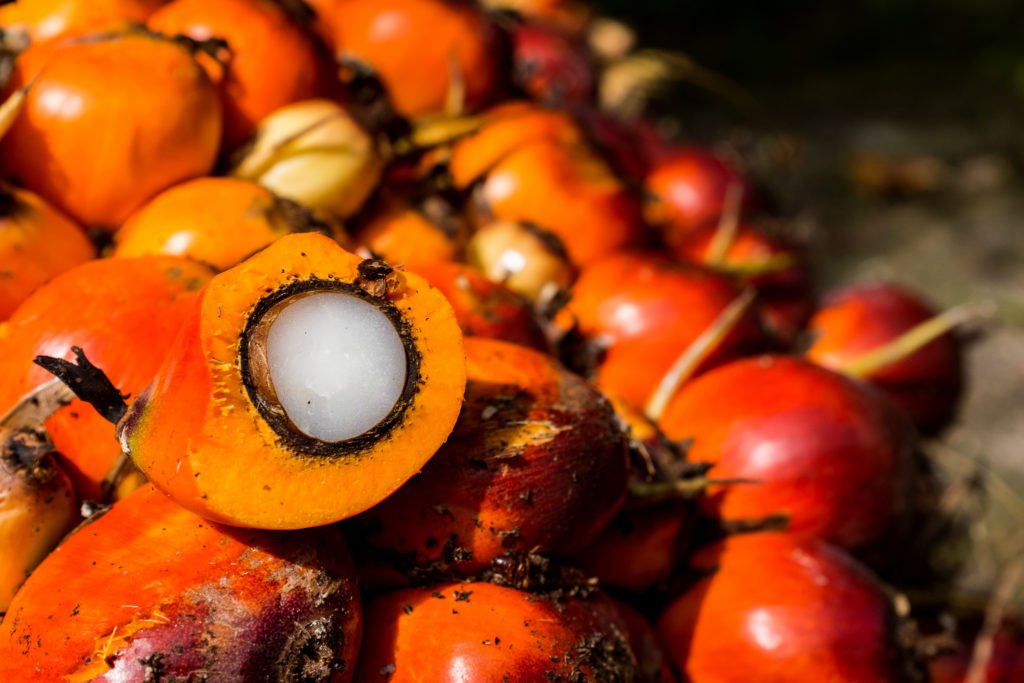
Indonesia’s palm-based biodiesel program has delivered strong performance, playing a key role in strengthening energy security and significantly reducing foreign exchange outflows. The mandatory biodiesel policy has helped cut reliance on imported diesel while maximizing the use of domestic resources amid global market uncertainty. With plans to advance toward B50 with higher FAME (Fatty Acid Methyl Ester) content, biodiesel is becoming increasingly strategic, not only as a sustainable energy solution but also as a driver of growth for the palm oil industry.
However, despite these achievements, the industry still faces a critical challenge: its dependence on imported methanol as a key feedstock. As biodiesel production expands, methanol demand continues to rise, yet domestic supply remains insufficient, leading to greater import reliance. This highlights a structural gap while biodiesel reduces fossil fuel imports, Indonesia must strengthen its upstream supply chain to achieve true energy independence.
InfoSAWIT. (2026, April 27). Kinerja biodiesel sawit moncer, hemat devisa besar, sayang masih tergantung impor metanol.